

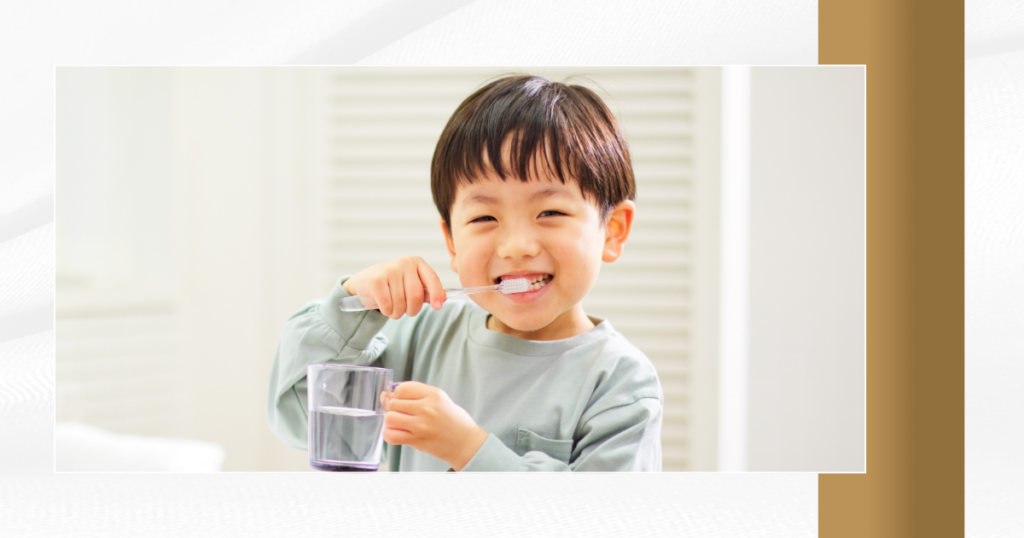
A healthy smile starts long before adulthood. The habits children develop during their early years have a lasting impact on their oral health, confidence, and overall wellbeing. While tooth decay is one of the most common childhood health conditions, the good news is that it’s also one of the most preventable.
At Savona Dental, we believe prevention is always better than treatment. By establishing healthy routines early and attending regular dental check-ups, parents can significantly reduce their child’s risk of cavities and help them maintain strong, healthy teeth for life.
Whether your child has their first tooth or is already in school, these practical tips will help protect their smile for years to come.
What Causes Tooth Decay in Children?
Tooth decay develops when bacteria naturally found in the mouth feed on sugars from food and drinks. These bacteria produce acids that gradually wear away tooth enamel, eventually creating cavities if left untreated.
Children are particularly susceptible because:
- Their enamel is thinner and less resistant to acid attacks.
- They often consume sugary snacks and drinks.
- They may not yet have developed effective brushing techniques.
- Baby teeth can decay much faster than adult teeth.
Even though baby teeth eventually fall out, keeping them healthy is essential. They help children eat comfortably, speak clearly, and guide permanent teeth into the correct position.
Strategy 1: Limit Sugary Snacks and Drinks
Frequent snacking means teeth are exposed to acid attacks throughout the day, giving enamel little time to recover.
To reduce the risk:
- Encourage regular meal and snack times instead of continuous grazing.
- Offer water or milk instead of fizzy drinks, fruit juice, or squash.
- If your child drinks fruit juice, serve it only with meals and dilute it with water.
- Reserve sweets, cakes, and chocolate for occasional treats rather than daily snacks.
- Avoid sending children to bed with bottles containing anything other than water.
Healthy alternatives include:
- Cheese
- Plain yoghurt
- Apple slices
- Carrot sticks
- Cucumber
- Nuts (where age appropriate)
- Wholegrain crackers
These foods are kinder to teeth while providing important nutrients for growing children.
Limit frequent snacking and sugary drinks
- Avoid letting your child graze on sugary or starchy snacks throughout the day
- Encourage structured meal and snack times
- Replace juice, sodas, or fizzy drinks with plain water or milk
- If juice is given, limit to meal times and dilute with water
Strategy 2: Build Excellent Brushing Habits Early
Brushing twice a day is one of the simplest and most effective ways to prevent decay, but technique matters just as much as frequency.
Fluoride toothpaste recommendations
- Under 3 years: Use a smear (grain of rice-sized amount) of fluoride toothpaste.
- Ages 3–6: Use a pea-sized amount.
- Age 7 and above: Continue using fluoride toothpaste while supervising brushing until they demonstrate good technique.
Children should brush:
- Every morning.
- Every evening before bed.
- For at least two minutes each time.
Parents should supervise brushing until around age 7 or 8, as younger children often struggle to clean every surface properly.
Don’t forget to introduce flossing as soon as two teeth begin touching. Cleaning between teeth helps remove plaque from areas that toothbrushes simply cannot reach.
If you’re unsure whether your child is brushing effectively, our team can demonstrate the correct techniques during your next appointment.
Strategy 3: Take Advantage of Fluoride and Preventive Treatments
Fluoride is one of the most powerful tools available for preventing tooth decay.
It helps:
- Strengthen enamel.
- Reverse early stages of decay.
- Reduce acid damage.
- Protect developing adult teeth.
Depending on your child’s individual risk, your dentist may recommend:
- Professional fluoride varnish applications
- Dental sealants for newly erupted molars
- Higher-strength fluoride toothpaste
- Fluoride mouth rinses for older children
Dental sealants deserve particular attention. These thin protective coatings are applied to the chewing surfaces of back teeth, where food and bacteria commonly collect. The treatment is quick, painless and can significantly reduce the likelihood of cavities developing.
Learn more about our preventive dentistry services for children and how we help families maintain healthy smiles through proactive care.
Strategy 4: Regular dental checkups and early interventions
Many parents wait until their child experiences pain before booking an appointment. However, cavities often develop silently before symptoms appear.
We recommend children visit the dentist by their first birthday or within six months of their first tooth erupting.
Regular check-ups allow us to:
- Professional cleaning / plaque removal
- Early detection of white spots before full cavities
- Applying sealants or fluoride varnish
- Educating both child and parent in proper technique
If small cavities are detected, intervene early before they worsen.
Make Oral Care Fun
Children are much more likely to develop lasting habits when brushing feels enjoyable rather than a chore.
- Use timers, apps, or songs (2-minute brushing)
- Let the child pick their toothbrush color or character
- Reward consistency (stickers, chart, praise)
- Be a brushing role model — brush together
- Replace toothbrush every 3 months or when bristles wear
Focus on Tooth-Friendly Nutrition
A balanced diet benefits both general health and oral health.
- Encourage fibrous fruits and vegetables (crunchy textures naturally scrub teeth)
- Include dairy products (calcium, casein help protect enamel)
- Avoid sticky candies and sweets that cling to teeth for long periods
- After sugars, encourage a drink of water or sugar-free chew to help rinse
Lead by Example
Children naturally copy the behaviours they see at home.
When parents prioritise brushing, flossing and regular dental visits, children are far more likely to view oral hygiene as a normal part of everyday life.
Simple habits like brushing together each morning and evening can make a significant difference while creating positive family routines.
Know the Early Warning Signs of Tooth Decay
Spotting problems early can prevent more extensive treatment later.
Watch for:
- White chalky patches on teeth
- Brown or black spots
- Sensitivity to hot or cold foods
- Pain when chewing
- Persistent bad breath
- Swollen or sore gums
If you notice any of these signs, arrange a dental appointment as soon as possible.
Helping Children Feel Comfortable at the Dentist
At Savona Dental, we understand that visiting the dentist can feel daunting for some children.
Our experienced team takes a gentle, patient-centred approach to help children feel relaxed and confident throughout their appointment. By creating positive early experiences, we can help reduce dental anxiety and encourage lifelong healthy habits.
Whether it’s your child’s first visit or a routine examination, we’re here to support your family every step of the way.
Protect Your Child’s Smile with Savona Dental
Preventing tooth decay starts with good daily habits, but regular professional care plays an equally important role. Combining healthy nutrition, effective brushing, fluoride protection and routine dental check-ups gives your child the best possible foundation for lifelong oral health.
At Savona Dental, we’re passionate about helping families keep their smiles healthy through prevention, education and personalised care. Whether you’re booking your child’s first dental appointment, looking for advice on oral hygiene, or interested in preventive treatments such as fluoride applications and dental sealants, our friendly team is here to help.
Visit our Children’s Dentistry page to learn more about the care we provide for young patients, explore our Preventive Dentistry services, or contact our team today to book your child’s next check-up. Together, we can help protect their smile for years to come.
